
Maradona's hand of god: a legacy of controversy and brilliance
Forty years have passed, yet the memory of Diego Maradona's infamous goal against England in the 1986 World Cup remains etched in football history. A moment of audacious brilliance, a gesture of blatant deception – it encapsulated the man himself, a flawed genius capable of both sublime skill and unsportsmanlike conduct. The reverberations of that fateful afternoon in Mexico City continue to echo, sparking debate and admiration in equal measure.
The moment that defined a generation
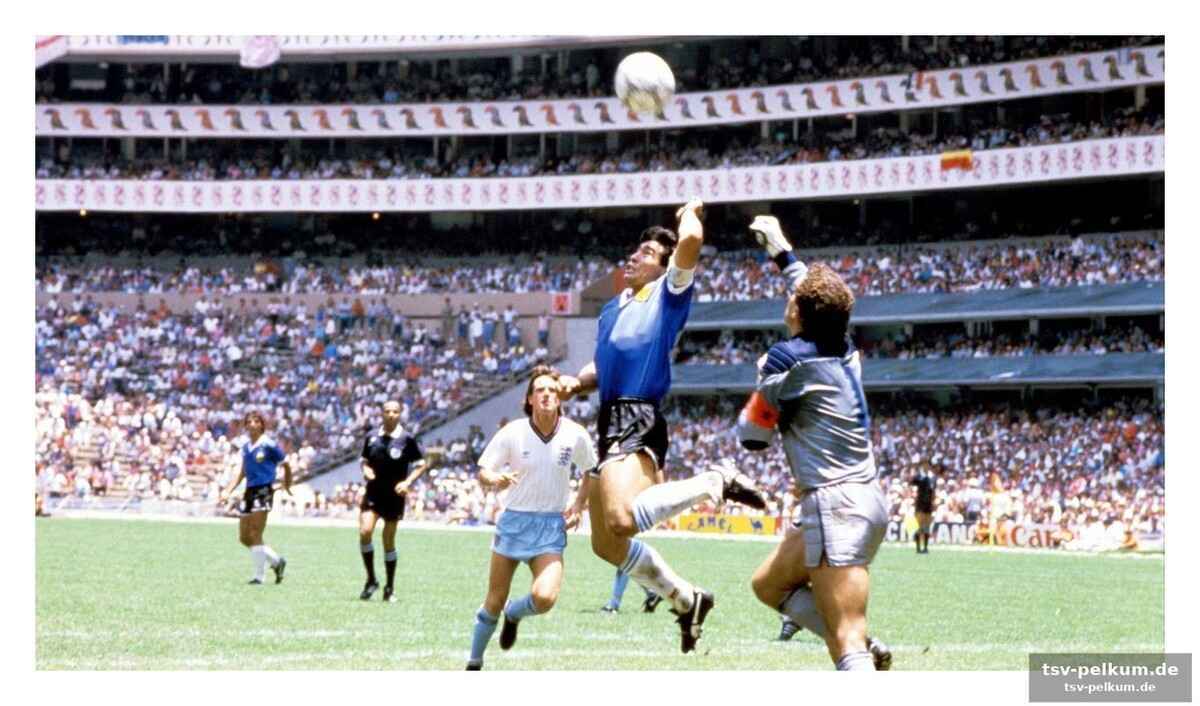
It was the 51st minute of the quarterfinal match. The score was tied at 0-0. Maradona, leaping above England goalkeeper Peter Shilton, appeared to punch the ball into the net. The referee, Nacho Gonzalez, missed the infraction, and the goal stood. The world watched in disbelief as Argentina took the lead. Maradona, in a moment of wry self-awareness, later described the goal as having been scored “a little with the head of Maradona and a little with the hand of God.”
But the narrative doesn't end there. Just four minutes later, Maradona orchestrated a breathtaking 60-meter solo run, weaving past five English defenders and Shilton to score a goal widely considered to be the greatest in World Cup history. That second goal, voted the “Goal of the Century” by FIFA in 2002, served as a stunning counterpoint to the earlier controversy, showcasing Maradona’s unparalleled skill and artistry on the pitch. It was a performance for the ages, a testament to his genius, and a touchstone for Argentinian national pride.
The immediate reaction in England was one of outrage and despair. The “Hand of God” became synonymous with perceived injustice and Argentinian cunning. Yet, over time, even some English fans have come to acknowledge the brilliance of Maradona's overall performance and the enduring legacy of that game.
Beyond the controversy: maradona’s enduring impact
The 1986 World Cup victory, fueled by Maradona’s performances, remains a pivotal moment in Argentinian history. It was a period of immense social and political turmoil in Argentina, and the World Cup triumph provided a much-needed sense of national unity and hope. Maradona became a national hero, a symbol of resilience and defiance.
However, the story of Diego Maradona is not without its shadows. His battles with addiction and personal struggles ultimately tarnished his image, but his on-field brilliance remains undeniable. The “Hand of God” goal, despite the controversy, continues to fascinate and inspire, a reminder of the unpredictable and often contradictory nature of genius. It's a moment that transcends football, becoming a cultural touchstone, a symbol of both triumph and transgression.
The legend of Maradona is woven into the very fabric of the World Cup, a permanent reminder that even in the pursuit of sporting excellence, human fallibility and moments of extraordinary brilliance can coexist.