
Chaos in dresden: hertha's victory overshadowed by fan violence
Dresden – What should have been a routine away win for Hertha BSC turned into a dark spectacle on Saturday evening. The 1-0 victory against Dynamo Dresden was almost completely overshadowed by disgraceful scenes of fan violence, escalating tensions, and a chaotic atmosphere that left a bitter taste in the mouths of everyone present.
A spark ignites the fury: the k-block provocation
The fuse was lit early, just three minutes into the match, when pyrotechnics were already exploding in the away section and fireworks could be heard outside the stadium. But the real trouble began when a Hertha flag, reportedly stolen before the game, appeared in the K-Block of Dynamo's ultras, accompanied by derisive chants. This act of provocation proved to be the tipping point.
Hertha supporters, driven by rage, breached the security barriers and stormed the pitch. Pyrotechnics rained down on the neighboring blocks occupied by Dynamo fans, instantly transforming the stadium into a battleground. The sheer intensity of the situation was shocking, a stark reminder of the dark side of football fanaticism.
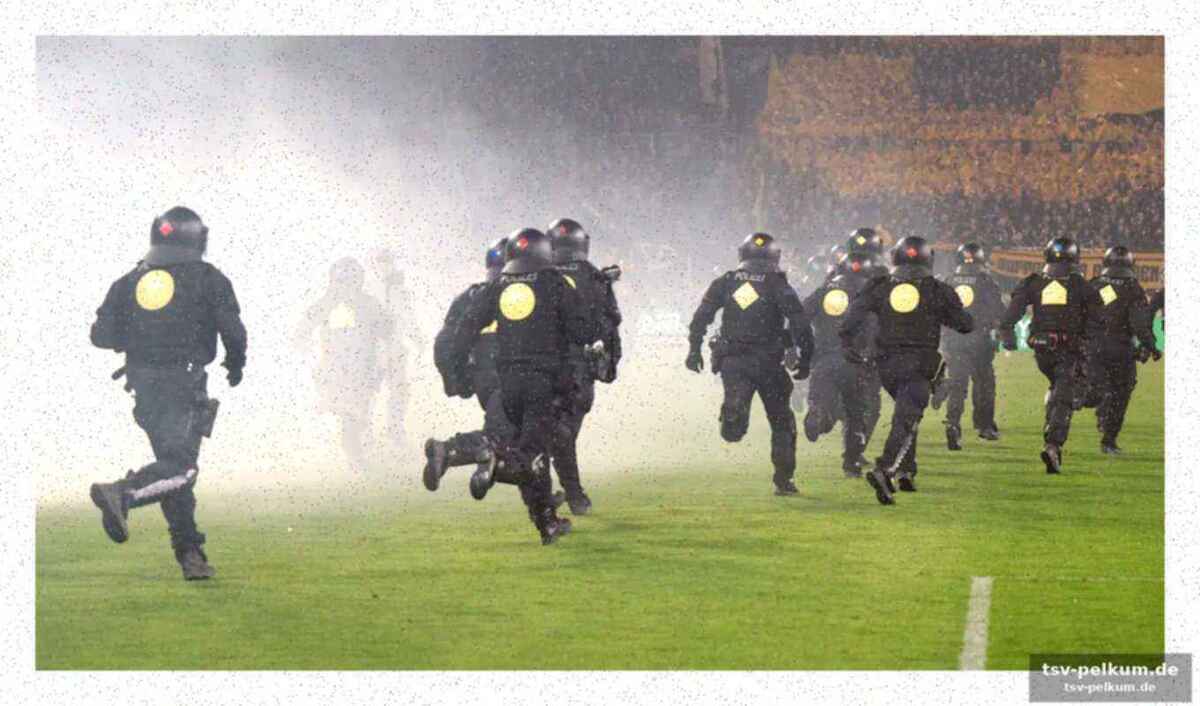
But the unrest didn't stop there. Dynamo ultras responded in kind, surging from the K-Block and heading towards the away section. A tense standoff ensued – approximately 100 Dresden supporters facing off against roughly 30 Berlin fans. Only the swift intervention of a large police contingent, including a riot squad, prevented a potentially catastrophic escalation. The flag, now a symbol of the conflict, was swiftly set ablaze by Dynamo supporters.
The game was interrupted for nearly 20 minutes as players retreated to the locker rooms, while authorities struggled to regain control. Even after the resumption, the situation remained precarious. Sections of Hertha’s ultras abandoned the away block, and the entire active fan scene departed entirely, leaving behind a stadium filled with unease and disappointment.
Club leaders condemn the violence: a blow to footballing values
The reactions from both clubs were swift and forceful. Dynamo CEO Stephan Zimmermann condemned the events as a “major setback” and emphasized that they were “not what we are fighting for.” Hertha's managing director, Dr. Peter Görlich, echoed this sentiment, stating unequivocally: “These are scenes that have nothing to do with football. I can only apologize to everyone present in the stadium. This does not reflect my values.”
Josip Brekalo's red card in the 66th minute for a reckless foul on Dresden’s Wagner added another layer of drama to the already fraught encounter. A subsequent penalty save by Hertha goalkeeper Tjark Ernst proved crucial. The winning goal, a fortunate own goal by Dresden’s Alexander Rossipal in the 80th minute, ultimately secured victory for Hertha, but the triumph felt hollow in light of the surrounding chaos.
The events in Dresden serve as a painful reminder of the ongoing challenges in combating fan violence and maintaining order within football stadiums. It's a stark wake-up call for authorities, clubs, and fans alike, demanding a renewed commitment to ensuring the safety and integrity of the beautiful game.